Informational guide. Day Spa Vallarta is a directory: we do not perform these treatments and we do not sell them. We explain them so that you walk into the treatment room — or the doctor's office — knowing what to ask. Assessment and application of any medical procedure belong to a licensed professional with specific training.
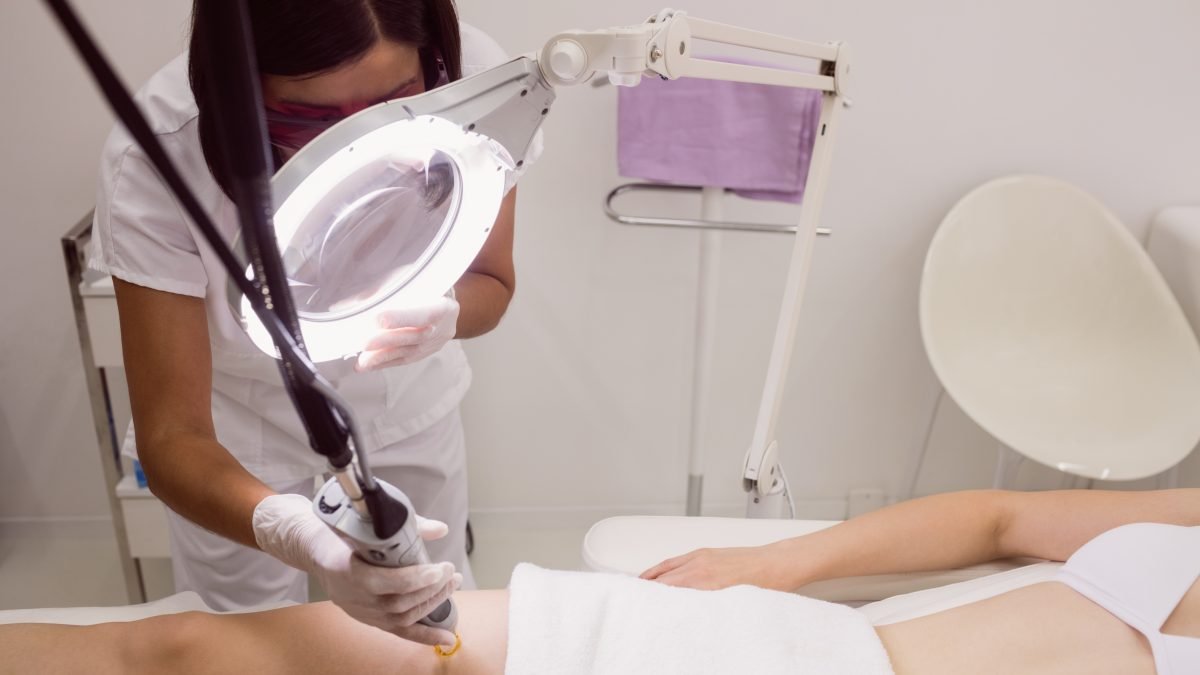
Hair removal lasers target the melanin in the hair. Light turns into heat inside the shaft, that heat travels down to the follicle and damages it. From that come the three truths almost nobody explains before selling you a package.
Truth 1: it only works on hair in the growth phase
At any given moment only a portion of your follicles is active; the rest are dormant and the laser does not care about them. That is why it has to be done in series: six to ten sessions weeks apart, catching follicles in different phases. Nobody finishes in two sessions, and anyone promising that is selling smoke.
Truth 2: it is not permanent removal, it is permanent reduction
The correct term, and the one serious regulators use, is permanent hair reduction. After a full series you are usually left with far less hair, finer and lighter, and spaced maintenance sessions keep it that way. But hormonal changes, pregnancy or certain medications can reactivate follicles. If someone sells you "goodbye to hair forever", you know how that conversation starts.
Truth 3: light hair does not respond
No melanin, no target. Very light blond, red, white and fine vellus hair respond poorly or not at all. No technology changes that, whatever the marketing suggests.
Brown and tanned skin
On darker skin types you need wavelengths that penetrate deeper and affect epidermal melanin less, plus effective skin cooling. With the right device and settings it is perfectly feasible. With the wrong device it produces burns and dark spots.
And here, once again, the Vallarta sun rules: laser is not done on freshly tanned skin. The usual requirement is two to four weeks without exposure beforehand and strict protection afterwards. That is why the best season to start a series here is the one with the least beach time, not the most.
How to prepare
- Shave the area the day before: the laser needs hair in the follicle, but not long hair on the surface (it burns and smells).
- No waxing, tweezing or threading in the preceding weeks: if you pull out the root, the laser has nothing to aim at.
- No depilatory creams and no self-tanner beforehand.
- Afterwards: no sauna, steam, ocean, pool or intense exercise for the first twenty-four to forty-eight hours, and sunscreen on exposed areas.
Who performs it
It depends on the device and the country; in Mexico many aesthetic centers offer it with trained technical staff. The useful question is not only "are you a doctor?", but "which device do you use, what wavelength, and how do you adjust it for my skin type?". If the answer is "we set it the same for everyone", that is where burns happen. You can see how the treatment is documented by body area in the Spa Business laser hair removal section.
Frequently asked questions
Does laser hair removal hurt?
It feels like hot rubber bands snapping against the skin. With proper cooling it is tolerable, though areas like the bikini line or upper lip are worse. Sharp, intense pain means the settings are too high.
How many sessions and how often?
Six to ten, every four to eight weeks depending on the area: shorter cycles on the face, longer on the legs. After that, maintenance once or twice a year.
Can I wax between sessions?
No. Shaving, always. Pulling out the root leaves the laser with no target and throws away your next session.
What if I am tanned from the beach?
It gets postponed. Most serious centers will reschedule you, and they are right to: treating over a fresh tan is the most common cause of burns and dark spots.
Where can you get this in Puerto Vallarta?
The directory lists the bay's spas, skin studios and salons with their services, area and direct contact. Compare before booking, and always ask who will actually perform the procedure.