Informational guide. Day Spa Vallarta is a directory: we do not perform these treatments and we do not sell them. We explain them so that you walk into the treatment room — or the doctor's office — knowing what to ask. Assessment and application of any medical procedure belong to a licensed professional with specific training.
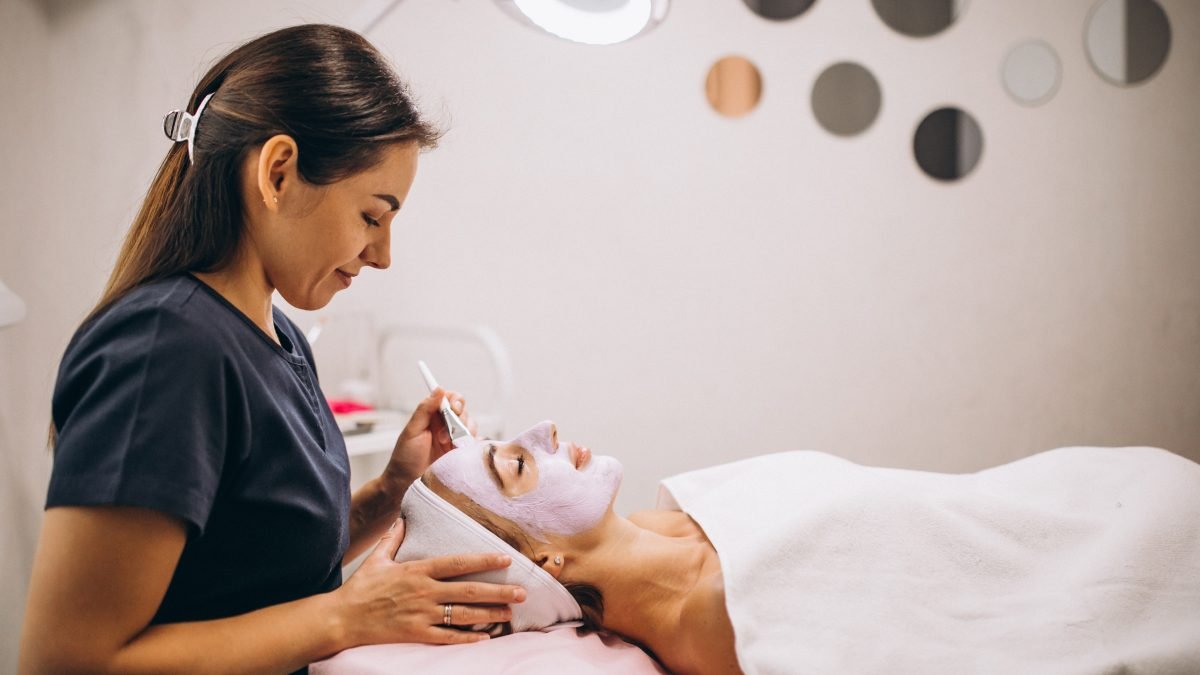
A peel is, literally, causing a controlled injury to the skin so that it repairs itself into something better. What changes everything is how deep that injury goes. Under the same commercial name live both a mild acid that leaves you pink for half an hour and a medical procedure that keeps you home for a week.
The three levels
Superficial. Acids that act on the epidermis: low-concentration glycolic, mandelic, lactic, salicylic. It feels like tingling or heat for a few minutes. You can go outside the same day with sunscreen. It improves texture, radiance, congested pores and mild acne. This is the one you will see on a spa menu and the only one an esthetician can safely apply.
Medium. Reaches the papillary dermis, typically with TCA (trichloroacetic acid) at medium concentrations or in combinations. It peels for real: three to seven days of skin coming off in sheets. It works on more established pigmentation, fine lines and superficial acne scarring. This is already a medical procedure.
Deep. Phenol and derivatives. Powerful, lasting results on severe sun damage, but with real risk: long-term pigment changes, scarring and, in the case of phenol, cardiac effects that require monitoring. It is done in an operating room or a properly equipped clinic, by a physician, and it is not something decided at a spa reception desk.
The part almost nobody tells you: your skin type
On brown skin — Fitzpatrick types IV to VI, very common in Mexico — the main risk of a peel is not burning: it is post-inflammatory hyperpigmentation. The skin responds to the aggression by producing more melanin and you end up with a darker mark than the one you set out to treat. It does not mean you cannot have a peel; it means the choice of acid, the concentration and the preparation beforehand (weeks of pigment-controlling products) matter far more than they would on fair skin.
If someone offers you a "strong peel for that spot" without asking about your skin type, your history of pigmentation or your recent sun exposure, that is where the conversation ends.
Which pigmentation improves and which does not
Superficial sun spots and the red or brown marks left behind by acne respond reasonably well to a series of superficial peels. Melasma is another story: it is a chronic, hormonal, light-sensitive condition, and a badly indicated peel can flare it. Here on the coast, with high radiation all year, melasma is especially stubborn. It is managed with ongoing medical treatment, not with one cabin session before your holiday.
Before and after
- Stop topical retinoids several days beforehand if you use them.
- No waxing and no sun exposure in the week before.
- Afterwards: no scrubs, no pulling off the peeling skin, broad-spectrum sunscreen every three hours and a hat.
- Beach, pool and ocean: off the table while you are peeling. Chlorine and salt on freshly peeled skin sting and irritate.
What to ask
Ask for the name of the acid and its concentration, how many days of peeling to expect and who will see you if something goes wrong. If the answer is "it's our house formula" and nobody knows what is in it, do not let them apply it. For the clinical side — which combinations of actives are used for which problem — the Spa Business guides on non-surgical facial rejuvenation and skin quality go into the medical detail.
Frequently asked questions
How many superficial peel sessions do I need?
Usually four to six sessions two or three weeks apart, followed by maintenance. A single superficial peel gives you a few days of glow; the change in texture comes from the full series.
Can I have a peel while on a beach holiday?
A gentle superficial one, yes, if you accept staying out of the sun and using strict protection for the following days. A medium peel, no: peeling skin plus Vallarta sun is exactly how a new dark spot is made.
Do peels remove acne scars?
Colour marks do improve. Textured scars — depressed, ice-pick type — are not corrected by acids: they need other techniques and a medical assessment.
Can I have a peel while pregnant?
Ask your doctor. Some mild acids are generally considered acceptable and others are contraindicated, and pregnancy also changes how your pigment responds. This is not a decision to make at the spa reception desk.
Where can you get this in Puerto Vallarta?
The directory lists the bay's spas, skin studios and salons with their services, area and direct contact. Compare before booking, and always ask who will actually perform the procedure.